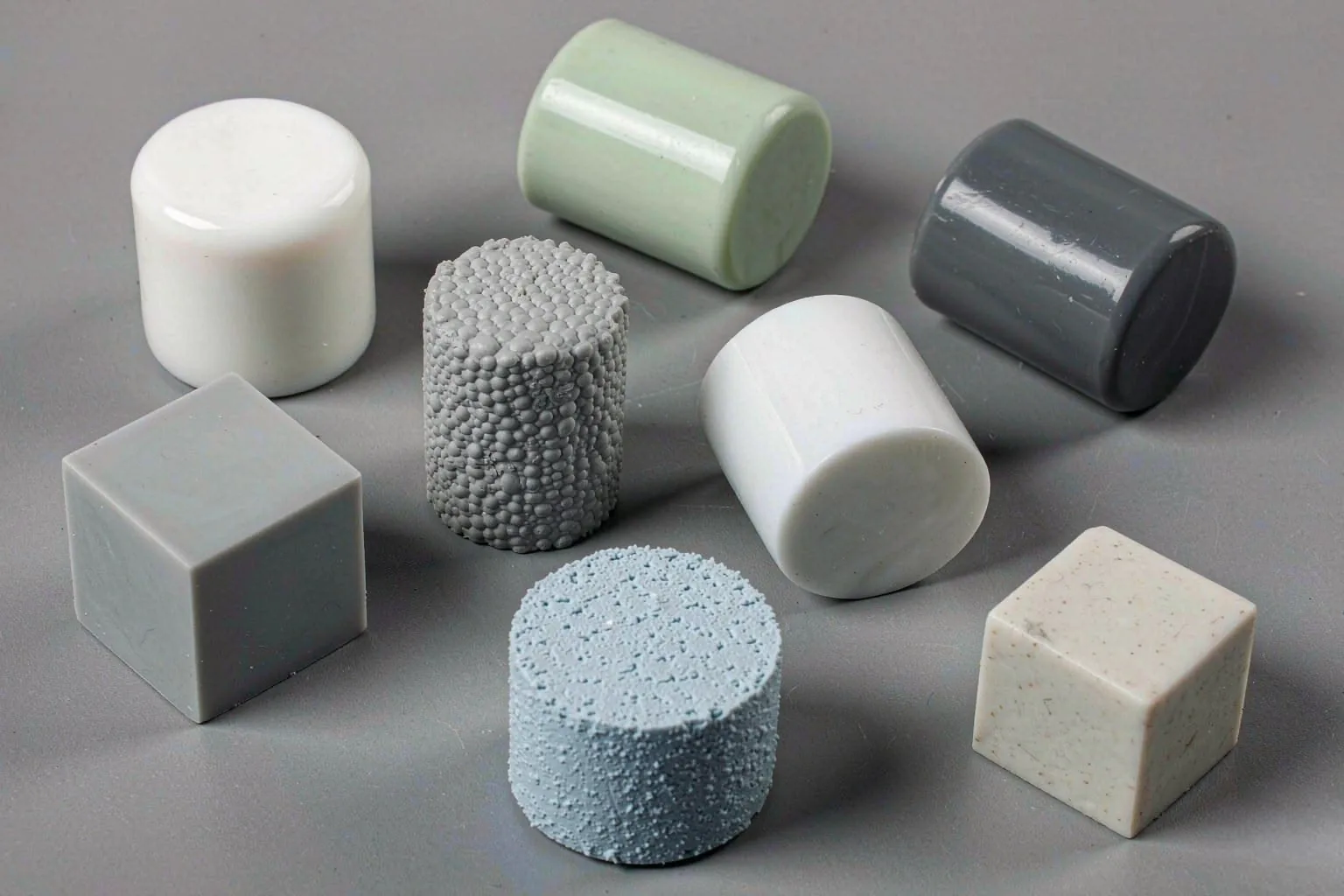
Choosing the right silicone material is the single most important decision in a custom silicone project. The right choice balances performance, certification and cost — while the wrong one can delay your launch or fail your market's compliance requirements.
Start With the Application
Ask three questions first: Will the part contact food or skin? What temperature range will it face? What hardness and flexibility does it need? These answers narrow the field quickly.
- Food or medical contact → food-grade or medical-grade silicone with FDA / LFGB certification.
- High temperature or oil exposure → heat-resistant solid silicone rubber (e.g. automotive parts).
- High precision and purity → liquid silicone rubber (LSR) injection molding.
Solid Silicone Rubber vs. Liquid Silicone (LSR)
Solid silicone rubber is compression molded and is the most cost-effective choice for larger, simpler parts and lower volumes. Liquid silicone rubber is injected and offers tighter tolerances, higher purity and faster cycles — ideal for medical, baby and high-volume precision parts.
Rule of thumb: if you need high-volume precision parts, consider LSR. If your design is simple or volumes are low, solid silicone is often more economical.
Key Material Properties
- Hardness (Shore A): typically 20–80A — softer for baby and beauty products, harder for seals and industrial parts.
- Tear and tensile strength: critical for parts that are stretched or pulled.
- Color: custom Pantone matching is available for brand consistency.
- Additives: food-contact pigments, UV stabilizers and heat stabilizers as required.
Certification Requirements
If your product enters the EU, US or food/medical markets, confirm the grade you specify carries the right documentation — LFGB (EU food contact), FDA (US food/medical contact) and ROHS/REACH for restricted substances. Reputable manufacturers supply test reports with every batch.
Still unsure which material fits? Send us your requirements and our engineers will recommend the best option — free of charge.